
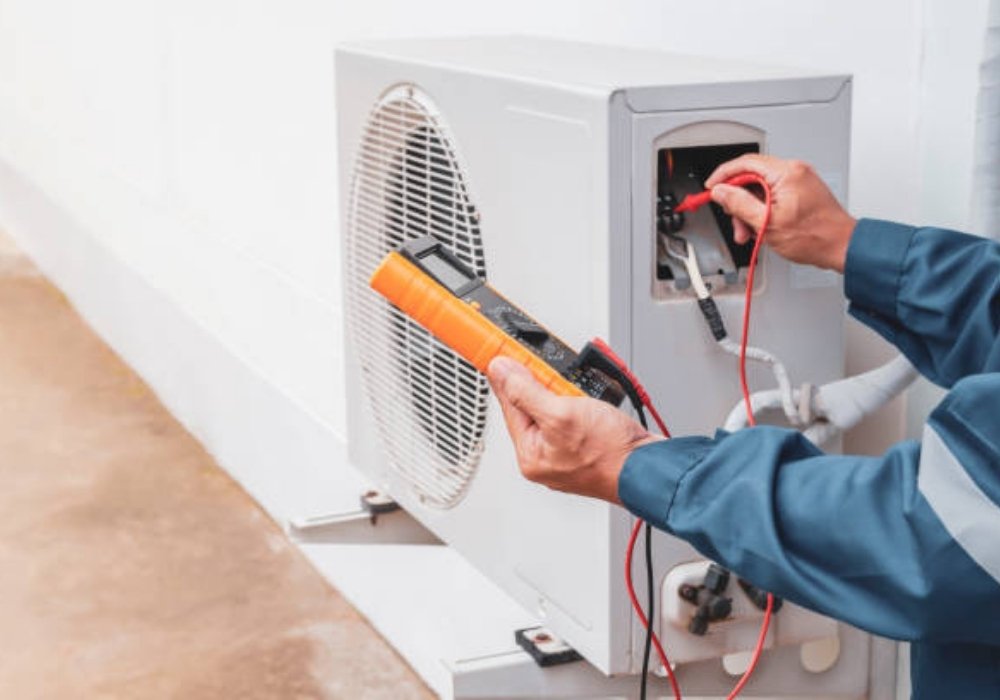
Your HVAC system is one of the most important investments in your property. It keeps occupants comfortable, supports healthy indoor air quality, and helps control monthly energy costs. However, no heating and cooling system lasts forever. As equipment ages, efficiency declines, repairs become more frequent, and operating costs begin to rise.
Knowing when it’s time to replace your HVAC system can save property owners thousands of dollars in emergency repairs, utility expenses, and unexpected downtime. This guide explains the warning signs, replacement options, budgeting considerations, and installation best practices so you can make a confident, informed decision.
Why HVAC System Replacements Matter
Replacing an HVAC system is more than simply installing new equipment. It is a long-term investment that improves comfort, energy efficiency, reliability, and property value.
Older HVAC systems often struggle to maintain consistent temperatures while consuming significantly more energy than modern high-efficiency equipment. They may also rely on outdated refrigerants, require expensive repairs, or fail to provide proper humidity control and indoor air filtration.
A professionally installed replacement system offers several advantages:
- Lower monthly energy bills
- Improved indoor comfort
- Better humidity and air quality control
- Fewer repair calls
- Increased system reliability
- Quieter operation
- Higher property value
- Longer equipment lifespan
For homeowners, landlords, and commercial property managers, replacing an aging HVAC system often costs less over time than continually repairing outdated equipment.
When It’s Time to Replace Your HVAC System
Most HVAC systems show warning signs before complete failure. Recognizing these symptoms early allows property owners to plan a replacement rather than face an emergency breakdown during extreme weather.
Your System Is More Than 10–15 Years Old
Most residential and light commercial HVAC systems have an average service life of approximately 10 to 15 years with proper maintenance.
As equipment ages:
- Efficiency decreases
- Parts wear out more frequently
- Repair costs increase
- Replacement parts become harder to find
Even if the system still operates, newer models often provide substantially lower operating costs.
Energy Bills Continue to Rise
If your utility bills continue increasing despite similar heating and cooling usage, your HVAC equipment may be losing efficiency.
Older compressors, blower motors, and heat exchangers require more energy to maintain comfortable temperatures.
Replacing inefficient equipment can significantly reduce monthly operating expenses.
Repairs Are Becoming Frequent
An occasional repair is expected throughout the life of an HVAC system.
However, frequent service calls often indicate that multiple components are nearing the end of their lifespan.
Many HVAC professionals recommend comparing repair costs against replacement costs.
If:
- Repairs are becoming more frequent
- Major components continue failing
- Repair expenses keep increasing
Replacing the system usually becomes the more economical choice.
Uneven Heating or Cooling
Do some rooms stay too warm while others remain cold?
Uneven temperatures may indicate:
- An undersized system
- Aging equipment
- Failing blower components
- Reduced cooling capacity
- Airflow problems
Although ductwork issues sometimes contribute to uneven comfort, aging HVAC equipment is often part of the problem.
Strange Noises or Odors
Unusual sounds should never be ignored.
Common warning signs include:
- Grinding
- Screeching
- Banging
- Rattling
- Hissing
Persistent musty odors, burning smells, or unusual chemical odors may also indicate equipment failure, mold growth, or refrigerant leaks.
Obsolete Refrigerant
Many older air conditioners still operate using R-22 refrigerant.
Because this refrigerant has been phased out, repairs involving refrigerant replacement have become increasingly expensive.
If your system still uses obsolete refrigerant, replacement is often the most practical long-term solution.
Poor Indoor Air Quality
Older HVAC systems frequently struggle to manage:
- Indoor humidity
- Air filtration
- Dust control
- Air circulation
If occupants notice worsening allergy symptoms, excessive dust, or uncomfortable humidity levels, replacing the HVAC system may greatly improve indoor air quality.
Quick Replacement Checklist
Ask yourself these questions:
- Is your HVAC system over 10–15 years old?
- Are repair costs increasing every year?
- Have your utility bills steadily risen?
- Does your home feel uncomfortable despite thermostat adjustments?
- Does the equipment use outdated refrigerant?
- Are breakdowns becoming more common?
If you answered “yes” to several of these questions, it may be time to begin planning a replacement.
Evaluating HVAC Replacement Options
Choosing a replacement system involves much more than selecting the lowest price.
The right equipment should match your property’s size, layout, comfort needs, and energy goals.
Schedule a Professional Load Calculation
Proper HVAC sizing is essential.
Oversized systems:
- Short-cycle
- Waste energy
- Wear out faster
- Remove less humidity
Undersized systems:
- Run continuously
- Struggle during extreme weather
- Increase energy consumption
- Reduce occupant comfort
A professional load calculation helps determine the correct equipment capacity.
Compare System Types
Several HVAC options may be appropriate depending on your property.
Split System HVAC
The most common residential configuration combines a furnace with a central air conditioner.
Best for:
- Traditional homes
- Existing ductwork
- Whole-home comfort
Heat Pumps
Modern heat pumps provide both heating and cooling while using less energy than many traditional systems.
Ideal for:
- Mild and moderate climates
- Electrification projects
- Energy-conscious property owners
Packaged Units
Packaged HVAC systems contain all major components in a single outdoor cabinet.
Often used for:
- Commercial buildings
- Rooftop installations
- Limited indoor space
Consider Energy Efficiency
Higher-efficiency equipment generally costs more initially but reduces long-term operating expenses.
Important efficiency ratings include:
- SEER2 (Seasonal Energy Efficiency Ratio) for cooling
- AFUE (Annual Fuel Utilization Efficiency) for furnaces
- HSPF2 (Heating Seasonal Performance Factor) for heat pumps
Comparing lifetime operating costs often provides a better value than focusing only on purchase price.
Variable-Speed Equipment
Variable-capacity systems automatically adjust output based on changing comfort demands.
Benefits include:
- Improved temperature consistency
- Better humidity control
- Lower energy consumption
- Quieter operation
- Reduced equipment wear
Smart Thermostats and Zoning
Adding zoning controls and smart thermostats can further improve comfort and efficiency.
Advantages include:
- Remote temperature control
- Individual room settings
- Energy scheduling
- Occupancy monitoring
- Lower operating costs
These features are especially valuable for rental properties and multi-zone buildings.
Replacement Cost Considerations
Several factors influence HVAC replacement costs.
Equipment
Costs vary based on:
- Capacity
- Efficiency
- Brand
- Features
- Technology
Installation
Installation expenses may increase if your project requires:
- New refrigerant lines
- Electrical upgrades
- Additional labor
- Equipment relocation
Ductwork
Sometimes the duct system—not the HVAC equipment—is limiting performance.
Replacing or repairing damaged ductwork improves airflow, comfort, and efficiency.
Permits
Many municipalities require permits and inspections for HVAC replacements.
These costs should be included in your project budget.
Long-Term Savings
Although high-efficiency equipment typically has a higher purchase price, reduced utility costs often offset much of the investment over time.
Financing and Incentives
Many property owners finance HVAC replacements to spread costs over time.
Available options may include:
- Contractor financing
- Low-interest loans
- Utility rebates
- Government energy incentives
- Manufacturer promotions
Always compare the total cost of ownership rather than focusing solely on the upfront installation price.
Best Time to Replace Your HVAC System
Planning ahead often saves money.
Replace During Spring or Fall
Spring and fall are generally the best seasons because:
- Contractor schedules are more flexible
- Installation times are shorter
- Emergency demand is lower
- Pricing may be more competitive
Avoid Emergency Replacements
Replacing equipment before complete failure gives you time to:
- Compare multiple quotes
- Research equipment
- Budget properly
- Schedule convenient installation
Emergency replacements often limit your options and increase overall costs.
Choosing the Right HVAC Contractor
Even the highest-quality equipment performs poorly if installed incorrectly.
When selecting a contractor:
- Obtain multiple written estimates
- Verify licenses and insurance
- Read customer reviews
- Ask about load calculations
- Request equipment recommendations
- Review warranty coverage
- Confirm permit requirements
Professional installation ensures your system operates safely and efficiently from day one.
Common Installation Mistakes to Avoid
Poor installation can reduce efficiency and shorten equipment life.
Common mistakes include:
- Incorrect system sizing
- Poor refrigerant charging
- Inadequate airflow
- Leaky ductwork
- Improper thermostat placement
- Skipping permits
- Poor equipment commissioning
Choosing an experienced HVAC contractor greatly reduces these risks.
Maintaining Your New HVAC System
Even brand-new systems require routine maintenance.
Property owners should:
- Replace air filters regularly
- Schedule annual HVAC inspections
- Keep outdoor equipment clear of debris
- Monitor energy bills
- Check condensate drainage
- Listen for unusual noises
Preventive maintenance helps maximize efficiency, extend equipment life, and preserve manufacturer warranties.
Why HVAC System Replacements Are Worth the Investment
Replacing an aging HVAC system delivers benefits that extend far beyond lower utility bills.
Modern equipment provides:
- Better temperature control
- Improved indoor air quality
- Greater reliability
- Quieter performance
- Lower maintenance costs
- Increased property value
- Enhanced occupant comfort
Whether you own a single-family home, rental property, office building, or commercial facility, upgrading to a properly sized, high-efficiency HVAC system is one of the best long-term investments you can make.
Conclusion
HVAC system replacements are a major decision, but waiting too long can lead to higher repair costs, rising energy bills, and unexpected system failures. If your equipment is over 10–15 years old, struggles to maintain comfort, requires frequent repairs, or uses outdated refrigerant, replacing it may be the most cost-effective solution.
Before making a decision, schedule a professional HVAC evaluation and load calculation. Compare equipment options, efficiency ratings, warranties, and installation quality—not just price. Planning your replacement during the spring or fall can help reduce costs and avoid emergency situations.
A professionally installed, energy-efficient HVAC system provides dependable comfort, healthier indoor air, lower operating expenses, and greater peace of mind for years to come. If you’re noticing the warning signs discussed in this guide, now is the perfect time to consult a licensed HVAC professional and explore the best replacement options for your property.