
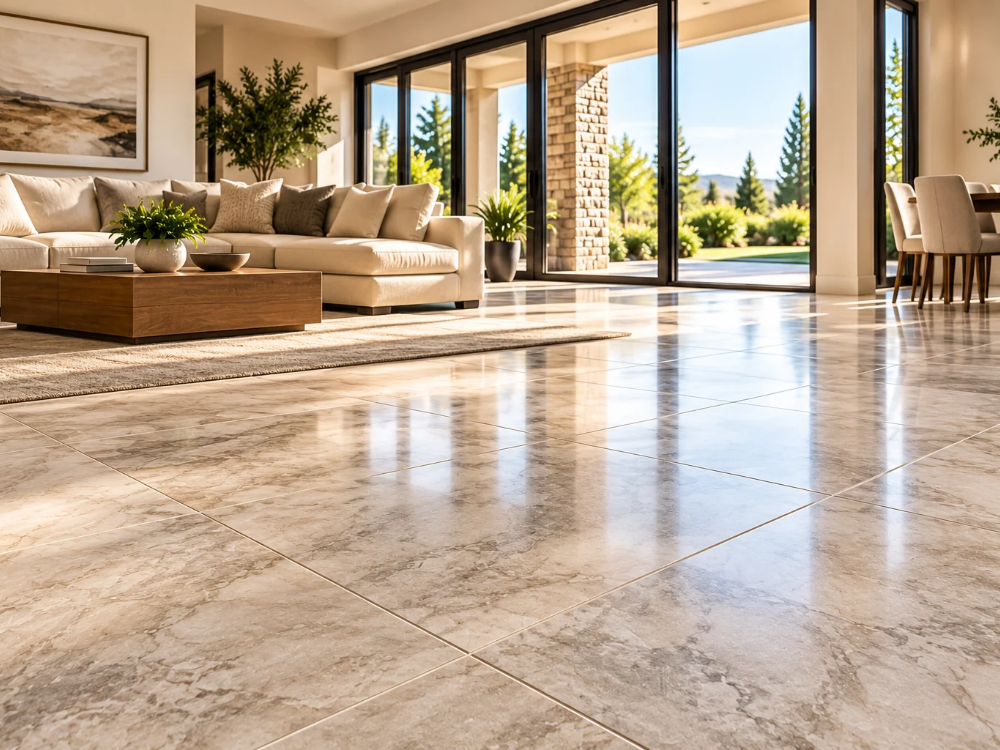
Flooring needs to match the way a room is used. Kitchens, bathrooms, entryways, and other busy spaces often need a floor that is easy to clean and able to handle daily use. Tile flooring is a popular option because it comes in many styles and can work well in a variety of residential and commercial spaces.
Tile can be made from materials such as ceramic and porcelain. It is available in many sizes, colors, patterns, and finishes, giving property owners plenty of design choices.
However, a successful tile flooring project requires more than choosing an attractive tile. Proper surface preparation, layout, cutting, adhesive, grout, and finishing all matter.
A Durable Flooring Choice for Everyday Living
Tile flooring is a practical choice for homeowners and property owners who want a surface that can handle everyday use while maintaining a clean and attractive appearance. Floors experience constant foot traffic, furniture movement, spills, and regular cleaning, so choosing a durable material can make a noticeable difference. Tile is available in many styles, sizes, colors, and finishes, making it suitable for different rooms and property types. From kitchens and bathrooms to entryways and living areas, tile flooring can provide a dependable surface that fits both functional and design needs.
Easy Maintenance for Busy Homes
One of the main advantages of tile flooring is its relatively simple maintenance. Most tile surfaces can be cleaned with regular sweeping, vacuuming, and mopping to remove dust, dirt, and everyday spills. Unlike some flooring materials that may require special cleaning methods, tile can be a convenient option for busy households and properties. Proper installation and regular care can also help keep the flooring looking fresh over time. This makes tile particularly useful in areas where spills, moisture, and frequent foot traffic are common.
Style Options That Complement Your Space
Tile flooring can also change the overall appearance of a room. With a wide selection of colors, patterns, textures, shapes, and finishes, homeowners can choose an option that complements their existing interior design. Some tiles can create the appearance of natural stone or wood while providing the practical characteristics of tile. Large-format tiles can create a more open and streamlined appearance, while smaller tiles and decorative patterns can add visual interest. This flexibility allows tile flooring to work with traditional, modern, minimalist, and other interior styles.
A Practical Investment for Your Property
Choosing flooring is about more than appearance. A good flooring material should fit the property’s daily needs and provide lasting functionality. Tile can be a practical option for areas that require a durable and easy-to-maintain surface. It can also help create a polished appearance that contributes to the overall feel of a home or commercial property. When professionally installed with proper preparation, tile flooring can provide a reliable foundation for many years. Whether you’re updating one room or improving several areas, tile flooring offers a combination of durability, maintenance convenience, and design flexibility that makes it a popular choice for many properties.
What Is Tile Flooring?
Tile flooring uses individual tiles installed over a prepared floor surface.
Common tile materials include:
- Ceramic
- Porcelain
- Natural stone
- Other specialty tile products
Tiles can have different textures, colors, shapes, and sizes.
This allows tile flooring to work with both traditional and modern interior designs.
Why Do Homeowners Choose Tile Flooring?
Tile is often selected because it can provide a hard and durable surface. It can also be easy to clean when properly installed and maintained.
Other reasons people choose tile include:
- Many design choices
- Easy cleaning
- Strong surface
- Water-resistant options
- Long-lasting appearance
- Suitable for busy areas
- Suitable for many design styles
The right tile depends on the location and expected use.
Where Is Tile Flooring Commonly Used?
Tile flooring is often used in areas where easy cleaning and moisture resistance are important.
Common locations include:
- Bathrooms
- Kitchens
- Entryways
- Laundry rooms
- Mudrooms
- Hallways
- Commercial spaces
- Outdoor areas with suitable tile
Not every tile is suitable for every location. Indoor and outdoor products can have different requirements.
What Happens During Tile Flooring Installation?
Tile installation requires careful preparation.
The process may include:
- Measuring the area
- Inspecting the floor
- Preparing the subfloor
- Planning the tile layout
- Marking the starting point
- Applying the proper setting material
- Cutting tiles
- Placing tiles
- Allowing proper setting time
- Applying grout
- Sealing when required
- Cleaning the finished surface
Layout planning is especially important because tile patterns are highly visible.
Why Is Tile Layout Important?
A poorly planned tile layout can result in small cuts along important edges or an unbalanced pattern.
Before installation, the installer should consider the room’s size, shape, doors, cabinets, fixtures, and visible areas.
The goal is to create a balanced layout that looks intentional.
What Is the Difference Between Ceramic and Porcelain Tile?
Ceramic and porcelain tiles are both made from clay-based materials, but they have different production methods and properties.
Porcelain is generally denser and has lower water absorption than standard ceramic tile.
Both can be useful flooring options, but the best choice depends on the room, product specifications, and expected use.
How Does Tile Handle Moisture?
Tile is often chosen for bathrooms and kitchens because many tile products can handle moisture well.
However, the tile itself is only one part of a flooring system. The subfloor, setting material, grout, and waterproofing details can also affect how the finished installation performs.
In areas exposed to significant water, the complete system should be installed according to proper building and manufacturer requirements.
How Easy Is Tile Flooring to Clean?
Tile flooring can be simple to clean.
Regular maintenance may include:
- Sweeping
- Vacuuming
- Mopping
- Cleaning spills
- Cleaning grout when needed
- Using suitable cleaning products
The cleaning method should match the type of tile and grout.
Natural stone may require different care from ceramic or porcelain tile.
What Should You Consider Before Choosing Tile?
Think about the room and how it will be used.
Important factors include:
- Tile material
- Size
- Color
- Surface finish
- Slip resistance
- Moisture exposure
- Foot traffic
- Grout color
- Cleaning needs
- Installation method
For floors, choosing a suitable surface finish is especially important.
How Can Tile Improve a Kitchen?
Kitchens deal with spills, food, water, and frequent foot traffic.
Tile can provide a hard surface that is easy to clean when properly maintained.
There are also many design options, so homeowners can choose a tile that works with cabinets, counters, walls, and appliances.
How Can Tile Work in Bathrooms?
Bathrooms are exposed to water and moisture, making suitable flooring important.
Tile is commonly used in bathrooms because many products are designed for moisture-prone areas.
However, proper installation is essential. Waterproofing, slope, grout, and other details should be handled correctly.
Why Is Professional Installation Important?
Tile installation requires accurate measurements and careful work.
An installer needs to create a suitable layout, make clean cuts, maintain even spacing, and properly install the setting material and grout.
Professional installation can be especially helpful in rooms with complex shapes, many corners, drains, cabinets, or fixtures.
How Can Refresh PMS Help With Tile Flooring?
Refresh PMS provides property maintenance and improvement services, including flooring solutions. A professional flooring team can help property owners choose suitable materials and complete installation work based on the property’s needs.
Planning the entire flooring project before work begins can help avoid problems later.
How Long Can Tile Flooring Last?
Tile can provide long-term service when the correct product is selected and the installation is done properly.
The life of a tile floor depends on:
- Tile quality
- Installation
- Subfloor condition
- Foot traffic
- Maintenance
- Moisture conditions
- Grout care
Proper maintenance can help keep the floor looking good over time.
What Are the Main Benefits of Tile Flooring?
Tile flooring can offer:
- Many style options
- Easy cleaning
- Durable surfaces
- Moisture-friendly choices
- Long-term use
- Custom layouts
- Suitable options for busy areas
- A clean finished appearance
The exact benefits depend on the selected tile and installation.
Final Thoughts
Tile flooring can be a strong choice for kitchens, bathrooms, entryways, and other areas where cleaning, durability, and design matter. With many materials, colors, shapes, and sizes available, tile can fit a wide range of property styles.
A successful project depends on selecting the right tile and completing careful surface preparation and installation. For tile flooring installation and other property improvement services, visit Refresh PMS and use the contact information on the website to discuss your flooring project.
FAQs
Q. Is tile flooring good for bathrooms?
A. Yes. Many tile products are suitable for bathrooms because they can handle moisture when properly selected and installed.
Q. What types of tile are used for flooring?
A. Ceramic and porcelain are common flooring choices, while natural stone and other tile products are also available.
Q. Is tile flooring easy to clean?
A. Yes. Most tile floors can be cleaned with regular sweeping, vacuuming, and mopping using suitable products.
Q. Does tile flooring need professional installation?
A. Professional installation can help with layout, surface preparation, tile cuts, spacing, setting material, grout, and finishing.