
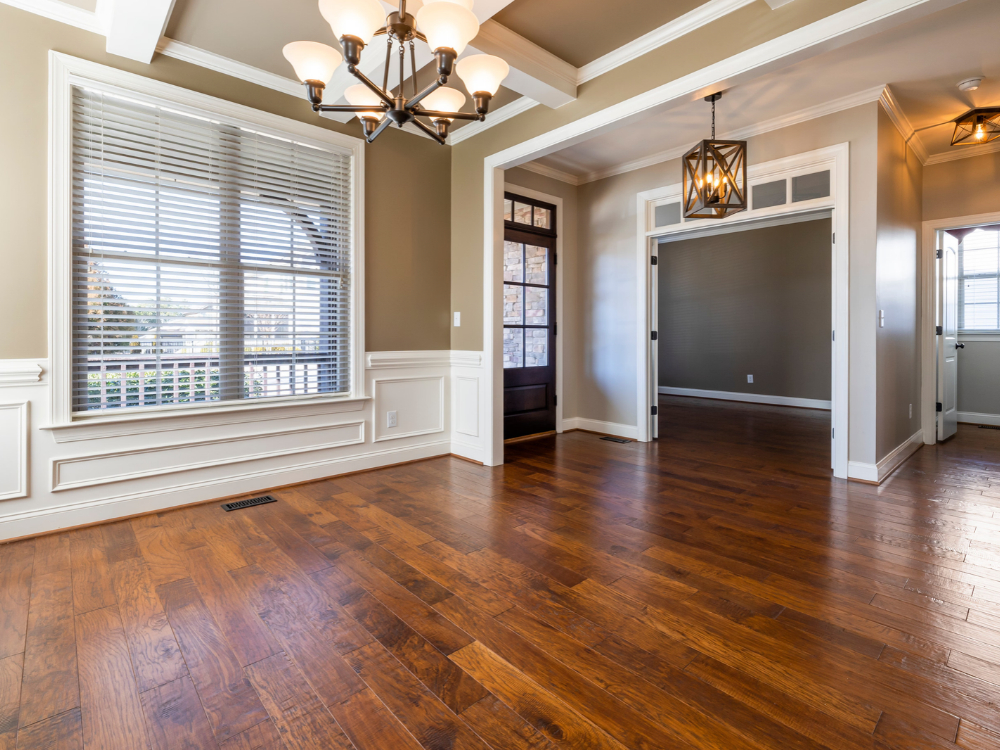
Flooring has a major effect on the appearance and comfort of a home. When homeowners update their floors, they often look for a material that offers a good balance of style, durability, and easy care. Luxury Vinyl Plank, commonly called LVP, has become a popular option because it can provide the appearance of hardwood while offering the practical features of vinyl flooring.
LVP flooring installation requires careful planning. The existing floor needs to be checked, the correct product needs to be selected, and the installation needs to follow the manufacturer’s instructions.
For homeowners looking for a flooring update, LVP can be an option worth considering for many areas of the property.
What Is LVP Flooring?
LVP stands for Luxury Vinyl Plank. It is a type of vinyl flooring designed in plank shapes, often with patterns that look like natural wood.
LVP can be made to resemble:
- Oak
- Maple
- Pine
- Walnut
- Other wood styles
It is available in many colors, textures, and plank designs.
Unlike natural hardwood, LVP is a manufactured material. This gives it different features that can make it useful for busy homes and commercial spaces.
Why Is LVP Flooring Popular?
One reason for the popularity of LVP is its ability to combine a wood-like appearance with practical flooring features.
Depending on the product, LVP may offer:
- Water resistance
- Easy cleaning
- Many design options
- Durable surfaces
- Comfortable walking
- Simple maintenance
- Wood-look appearance
The exact features depend on the product selected, so homeowners should always review manufacturer specifications. LVP flooring installation can transform the look and feel of your home by combining modern style, durability, and everyday practicality. Luxury Vinyl Plank (LVP) flooring is designed to provide the appearance of natural wood while offering a flooring surface that is easy to maintain and suitable for busy households. With a wide range of colors, textures, and plank styles available, homeowners can create a clean and updated appearance without completely remodeling their space.
Why Is LVP Flooring a Popular Choice for Homes?
One of the biggest benefits of LVP flooring is its attractive appearance. Modern LVP can closely resemble hardwood flooring, making it possible to achieve a warm and stylish look at a more practical price point. Homeowners can choose from different wood-inspired colors and patterns to complement traditional, modern, or contemporary interiors. This flexibility makes LVP suitable for bedrooms, living rooms, hallways, kitchens, and other areas of the home.
How Does LVP Flooring Handle Everyday Use?
Durability is another reason homeowners consider LVP flooring installation. Floors experience regular foot traffic, furniture movement, spills, and daily activity, so choosing a resilient material is important. LVP flooring is designed to handle normal household use while maintaining its appearance when properly installed and maintained. Its durable surface can make it a practical option for families and active households.
Is LVP Flooring Easy to Maintain?
LVP flooring can also simplify everyday cleaning and maintenance. Regular sweeping, dusting, and appropriate mopping can help keep the surface looking clean. Unlike some natural flooring materials that may require specialized maintenance, LVP generally offers a straightforward care routine. This makes it appealing to homeowners who want attractive floors without an overly complicated maintenance schedule.
Can LVP Improve the Overall Appearance of a Room?
New flooring can make a noticeable difference in the appearance of an interior. Old, worn, or outdated flooring can make an otherwise attractive room feel less inviting. Installing new LVP can create a consistent and refreshed look throughout the space. Choosing a suitable plank color and pattern can also help complement walls, furniture, cabinets, and other interior features.
Why Does Professional LVP Flooring Installation Matter?
Proper installation is essential for achieving a clean and long-lasting result. The existing floor should be inspected and prepared before installation begins. A level and suitable surface can help reduce installation problems and provide better plank alignment. Professional installation can also help ensure that edges, transitions, and other details are handled correctly.
What Makes LVP Flooring a Practical Home Improvement?
LVP flooring installation offers a combination of style, durability, and convenient maintenance. Whether you are updating one room or refreshing several areas of your home, LVP can provide a modern flooring solution that fits many interior designs. With the right material, preparation, and installation, new LVP flooring can give your home a noticeably cleaner, more comfortable, and updated appearance.
Where Can LVP Flooring Be Installed?
LVP can be suitable for many rooms.
Common areas include:
- Kitchens
- Living rooms
- Bedrooms
- Hallways
- Dining rooms
- Offices
- Entry areas
- Commercial spaces
One reason homeowners consider LVP is that some products are designed to handle moisture better than traditional wood flooring.
However, water resistance does not mean every LVP product is suitable for every wet area. Product instructions should always be reviewed before installation.
What Happens During LVP Flooring Installation?
The installation process depends on the product and installation method.
A typical project may include:
- Measuring the room
- Inspecting the existing floor
- Removing old flooring if needed
- Preparing the subfloor
- Cleaning the surface
- Planning the plank layout
- Cutting planks
- Installing the LVP
- Installing transitions
- Checking the finished surface
Some LVP products use click-lock systems, while others may require adhesive.
The manufacturer’s installation instructions should always be followed.
Why Is Subfloor Preparation Important?
A good finished floor starts underneath the flooring.
The subfloor should be clean, dry, and suitable for the selected LVP product. Major uneven areas or damage may need to be corrected before installation.
If the subfloor is not properly prepared, the finished floor may not look or perform as expected.
Professional installers can identify problems before the new flooring is installed.
Is LVP Good for Busy Homes?
LVP can be a practical choice for homes with regular foot traffic. Families with children, pets, or active living spaces may appreciate flooring that is easy to clean.
The wear layer and product quality are important factors when selecting LVP for a busy area.
Homeowners should compare product specifications rather than choosing based only on appearance.
How Easy Is LVP to Maintain?
LVP is generally simple to maintain.
Regular care can include:
- Sweeping
- Vacuuming with a suitable setting
- Cleaning spills
- Using recommended floor cleaners
- Avoiding harsh cleaning products
- Following manufacturer care instructions
Keeping dirt and grit off the floor can also help reduce surface wear.
How Can LVP Change the Look of a Room?
Flooring covers a large part of a room, so changing it can create a major visual difference.
LVP comes in many wood-look styles, colors, and plank patterns. This allows homeowners to choose a design that works with their furniture, walls, cabinets, and overall home style.
Light colors can create a bright look, while darker wood-look floors can provide a richer appearance.
What Should You Consider Before Choosing LVP?
Before selecting LVP, consider:
- Room location
- Moisture exposure
- Foot traffic
- Product thickness
- Wear layer
- Plank design
- Installation method
- Warranty
- Cleaning requirements
- Manufacturer recommendations
It can also help to take flooring samples home and view them under the room’s natural and artificial lighting.
How Does LVP Compare With Hardwood?
LVP and hardwood have different features.
Hardwood is made from natural wood and has a natural look and feel. It can often be sanded and refinished.
LVP is a manufactured product designed to provide a wood-like appearance. Depending on the product, it can offer water resistance and easier maintenance.
The best choice depends on the room, budget, design preference, moisture level, and maintenance expectations.
How Does LVP Compare With Laminate?
Both LVP and laminate can provide wood-look designs.
LVP is made from vinyl, while laminate uses a layered manufactured construction.
One important difference is moisture performance. Many LVP products are designed to handle moisture better than standard laminate, but the exact rating depends on the product.
Homeowners should compare individual products rather than assuming every LVP or laminate floor has the same features.
Why Is Professional LVP Installation Helpful?
Professional installation can help ensure that the floor is properly prepared and installed.
An installer can help with:
- Subfloor inspection
- Room measurements
- Layout planning
- Accurate cuts
- Transitions
- Doorway areas
- Installation details
Professional work can also help create a clean final appearance.
How Can Refresh PMS Help?
Refresh PMS offers property maintenance and improvement services, including flooring solutions. A professional flooring service can help property owners plan their project, prepare the space, and install the selected flooring.
When planning an LVP project, it is important to choose a product that fits the room and expected use.
What Are the Benefits of LVP Flooring Installation?
LVP installation can provide:
- Wood-look designs
- Easy cleaning
- Many style choices
- Practical everyday use
- Moisture-resistant options
- Comfortable walking surface
- Suitable choices for busy rooms
- A refreshed home appearance
The exact performance depends on the LVP product and installation quality.
Final Thoughts
LVP flooring can be a useful option for homeowners who want the appearance of wood with the practical features of vinyl flooring. With many styles available, it can fit a range of home designs and room types.
Before installing LVP, check the room conditions, product specifications, subfloor, installation method, and maintenance instructions. For LVP flooring installation and other property maintenance services, visit Refresh PMS and use the contact information on the website to discuss your flooring needs.
FAQs
Q. What does LVP stand for?
A. LVP stands for Luxury Vinyl Plank, a vinyl flooring product designed in plank shapes, often with wood-look patterns.
Q. Is LVP flooring water resistant?
A. Many LVP products offer water resistance, but the exact level depends on the product. Always check the manufacturer’s specifications.
Q. Can LVP look like hardwood?
A. Yes. LVP is available in many wood-look colors, patterns, textures, and plank designs.
Q. Is professional LVP installation necessary?
A. Professional installation can help with subfloor preparation, measurements, layout, cuts, transitions, and proper installation.